Welcome to the Department of Chemistry!
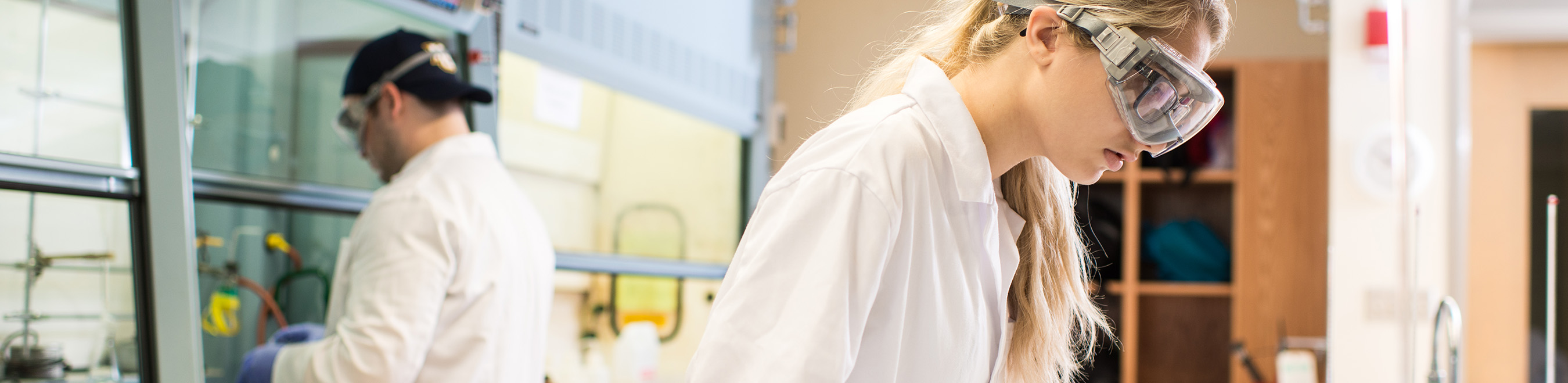
The Chemistry Department at Marquette University combines research and teaching in a variety of chemical disciplines, organized into 10 research groups. The department offers B.S. degrees in Chemistry, in Biochemistry and Molecular Biology (jointly with Biological Sciences), and in Chemistry for Education (secondary major).
The department offers M.S. and Ph.D. degrees, where students conduct in-depth scientific research using our advanced research facilities, and emerge as independent researchers.
News...
T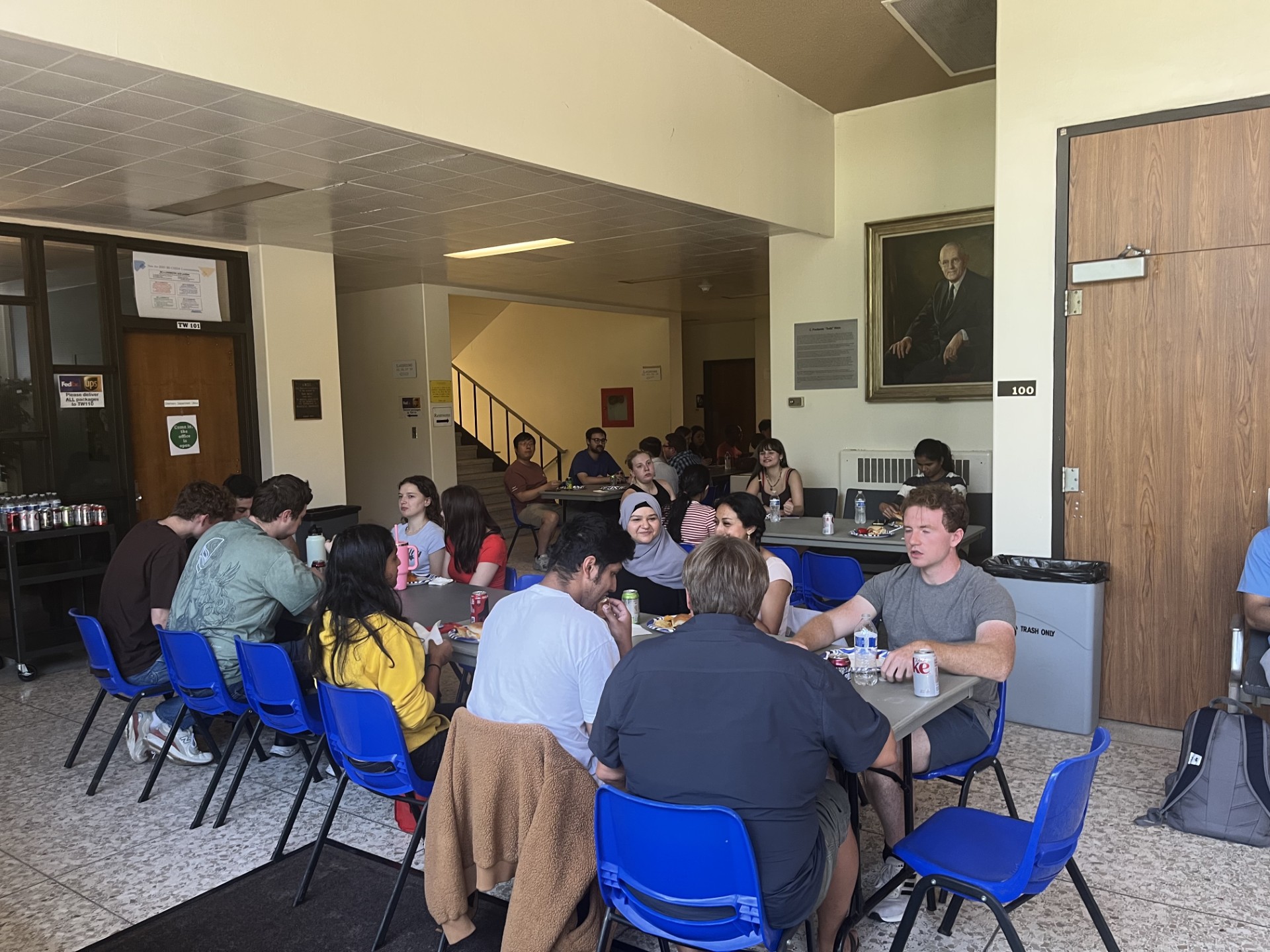 he Chemistry Department celebrated another successful and productive summer of undergraduate research with a cookout on Friday, August 8th. Students enjoyed lunch with their labmates and faculty mentors. That evening, some students and faculty attended the Brewers game at American Family Field. The Brewers beat the Mets 3-2! Thanks to the generous donors who contributed to our Summer Undergraduate Research Fellowship program.