The Ott is closed during the summer. We'll re-open for tutoring on Tuesday September 8, 2026 and look forward to seeing you then.
The Ott sponsors the success of all Marquette writers: undergrads and graduate students, faculty and staff, alumni, and members of the community.
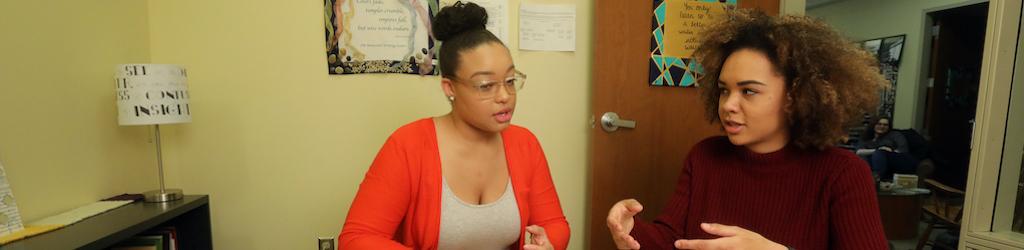
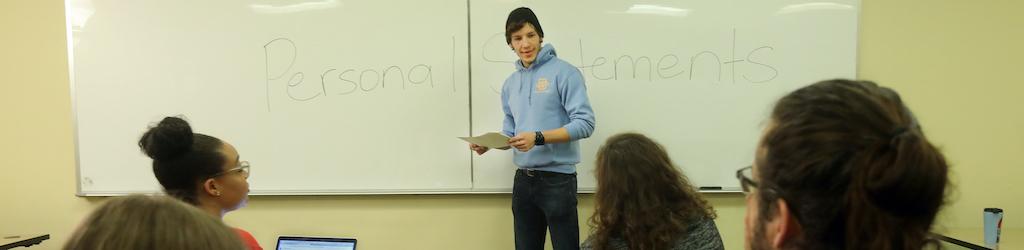
When writers visit the Ott, they meet with trained peer tutors known as Otters—Get it: Otters work at the Ott! Recruited from every college, Otters help writers plan, develop, and improve all kinds of writing. The list is long and starts with coursework, from academic essays and lab reports to multimodal assignments and creative genres. Otters also help with final projects, theses, and dissertations as well as presentations, posters, and manuscripts for publication. Additionally, the Ott welcomes writers working on personal statements, application essays, and personal projects of all shapes, sizes, and modalities.
If Marquette is in session, the Ott is open. Appointments run 30-60 minutes onsite or online and are free. There are also special programs for writers who would like to visit the Ott regularly, and there are numerous ways we collaborate with staff and faculty.
Our menu of special events is always changing, and behind the scenes we’re a power plant for research. Surf our website to learn more and then contact us. Let us know how we can sponsor your success!

Walk-ins are always welcome at all locations. To guarantee an appointment, schedule in advance at our Raynor location.
Answers to some frequently asked questions.