(adapted from APA’s Careers in Psychology)
CLINICAL PSYCHOLOGY: Clinical psychologists assess and treat people with psychological problems. They may act as therapists for people experiencing normal psychological crises (e.g., grief) or for individuals suffering from chronic psychiatric disorders. Some clinical psychologists are generalists who work with a wide variety of populations, while others work with specific groups like children, the elderly, or those with specific disorders (e.g., schizophrenia). Some clinical psychologists are researchers who study the causes, diagnosis, or treatment of psychopathology. They may be found in hospitals, community health centers, universities, or private practice.
COUNSELING PSYCHOLOGY: Counseling psychologists do some of the same things that clinical psychologists do. However, counseling psychologists tend to focus more on persons with adjustment problems, rather than on persons suffering from severe psychological disorders. For example, academic counselors, vocational counselors, and family counselors often are trained as counseling psychologists. Counseling psychologists are employed in academic settings, community mental health centers, and private practice.
DEVELOPMENTAL PSYCHOLOGY: Developmental psychologists study how we develop intellectually, socially, emotionally, and morally across the lifespan. Some focus on just one period of life (e.g., childhood or adolescence). Developmental psychologists usually do research and teach in academic settings, but many act as consultants to day-care centers, schools, or social service agencies.
EDUCATIONAL PSYCHOLOGY: Educational psychologists are concerned with the study of human learning. They attempt to understand the basic aspects of learning and then develop materials and strategies for enhancing the learning process. For example, an educational psychologist might study reading and develop a new technique for teaching reading from the results of the research.
EXPERIMENTAL PSYCHOLOGY: This area of specialization includes a diverse group of psychologists who do research in the most basic areas of psychology (e.g., learning, memory, attention, cognition, sensation, perception, motivation, and language). Sometimes their research is conducted with animals instead of humans. Most of these psychologists are faculty members at colleges and universities.
FORENSIC PSYCHOLOGY: Psychology and the law studies legal issues from a psychological perspective (e.g., how juries decide cases) and psychological questions in a legal context (e.g., how jurors assign blame or responsibility for a crime). Forensic psychologists are concerned with the applied and clinical facets of the law such as determining a defendant's competence to stand trial or if an accident victim has suffered physical or neurological damage. Jobs in these areas are in law schools, research organizations, community mental health agencies, and correctional institutions.
HEALTH PSYCHOLOGY: Health psychologists are concerned with psychology's contributions to the promotion and maintenance of good health and the prevention and treatment of illness. They design and conduct programs to help individuals stop smoking, lose weight, manage stress, prevent cavities, or stay physically fit. They are employed in hospitals, medical schools, rehabilitation centers, public health agencies, and in private practice.
INDUSTRIAL/ORGANIZATIONAL PSYCHOLOGY: Industrial/Organizational (I/O) psychologists are primarily concerned with the relationships between people and their work environments. They may develop new ways to increase productivity or be involved in personnel selection. You can find I/O psychologists in businesses, industry, government agencies, and colleges and universities. I/O psychologists are probably the most highly paid psychologists.
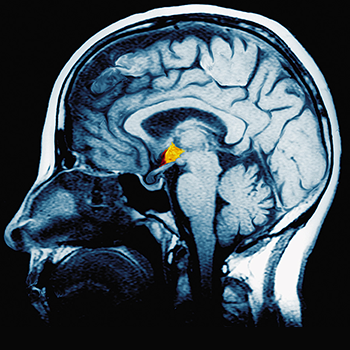
PHYSIOLOGICAL PSYCHOLOGY: Physiological psychology is one of psychology's hottest areas because of the recent dramatic increase in interest in the physiological correlates of behavior. These psychologists study both very basic processes (e.g., how brain cells function) and more observable phenomena (e.g., behavior change as a function of drug use or the biological/genetic roots of psychiatric disorders). Some physiological psychologists continue their education in clinical areas and work with people who have neurological problems.
PSYCHOMETRICS and QUANTITATIVE PSYCHOLOGY: Psychometric and quantitative psychologists are concerned with the methods and techniques used to acquire and apply psychological knowledge. A psychometrist revises old intelligence, personality, and aptitude tests and devises new ones. Quantitative psychologists assist researchers in psychology or other fields to design experiments or interpret their results. Psychometrists and quantitative psychologists are often employed in colleges and universities, testing companies, private research firms, and government agencies.
REHABILITATION PSYCHOLOGY: Rehabilitation psychologists work with people who have suffered physical deprivation or loss at birth or during later development as a result of damage or deterioration of function (e.g., resulting from a stroke). They help people overcome both the psychological and situational barriers to effective functioning in the world. Rehabilitation psychologists work in hospitals, rehabilitation centers, medical schools, and in government rehabilitation agencies.
SCHOOL PSYCHOLOGY: School psychologists are involved in the development of children in educational settings. They are typically involved in the assessment of children and the recommendation of actions to facilitate students' learning. They often act as consultants to parents and administrators to optimize the learning environments of specific students.
SOCIAL PSYCHOLOGY: Social psychologists study interpersonal behavior and how interpersonal factors affect our beliefs, feelings, and behaviors. Some of the topics of interest to social psychologists are attitudes, aggression, prejudice, love, and interpersonal attraction. Most social psychologists are on the faculty of colleges and universities, but an increasing number are being hired by hospitals, federal agencies, and businesses to perform applied research.