

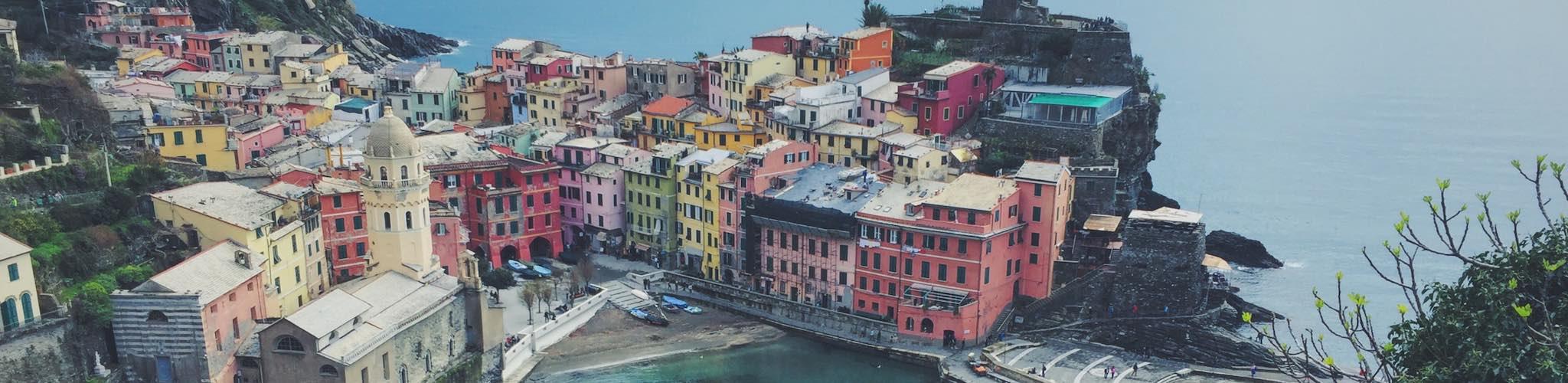


Tokyo is the capital of Japan and the country’s most populous city. Tokyo itself makes up about 8 of the 12 million inhabitants of Japan. The incredible level of energy is the most striking aspect of Japan’s capital city. More than anything else, Tokyo is a place where outlandish modern society collides with the quieter moments of the past. Close to the soaring office blocks exists pockets of another Tokyo – an ancient wooden house, a Japanese inn, an old lady in a kimono sweeping the pavement outside her home with a straw broom. While there are still less glamorous sides of the city – tiny housing spaces crossed by overhead expressways crowded with traffic - Tokyo remains a glittering example of the ‘miracle’ of post-WWII Japan.
Sophia University, from its founding to the present, has been dedicated to student centered education and research. It is a fellow Jesuit University that consists of two campuses. The main campus is in Yotsuya and nearby is the Ichigaya Campus where the Faculty of Comparative Culture is based, both campuses located in the heart of Tokyo. The Imperial Palace, historic Meiji Shrine, and the National Diet Library are just a couple of stops away on the subway. The student body includes a diverse mixture of Japanese students and more than 500 foreign students from 54 countries enrolled.
The abundant greenery of the campus creates an atmosphere of peace and serenity which belies its location in the center of a bustling metropolis. Student life is further enhanced by a wealth of facilities for the enjoyment of music, drama, art, and sports. Students are able to participate in on-campus activities, clubs, and sports teams, providing a great opportunity for exchange students to participate in student life.
Eligibility
Most majors; minimum sophomore standing; 3.0 GPA
Language
Courses are taught in English. Japanese language class required.
Orientation
An orientation will be held prior to departure.
Courses Offered
Sophia offers a wide variety of courses taught in English in business, the humanities and social sciences, with a special emphasis on courses related to Japan and Asia. Additionally, students are required to take a Japanese language class while studying abroad.
Grades do not transfer to Marquette University for this program. Only credits will transfer provided that a grade of "C" or higher is earned.
Historic course equivalencies
Please note that the courses listed here have been approved in general for Marquette credit. However, because each individual academic record is unique, depending on the college, the major and courses taken previously, not every course will qualify to be used toward a Marquette degree. Therefore, current Marquette students must have prior approval from the their college office, before enrolling in these courses. Without this prior approval, any course taken at another institution will likely not be accepted toward the Marquette degree.
Students are accommodated in the university dorms. There are two dorms, a men’s dormitory and a women’s dormitory, which are fully equipped with a desk, chair, bookshelf, bed, etc. The men’s sorms are double rooms with a 240 person capacity; students are generally paired with a Japanese student and the dorm is located on the Yotsuya campus. The women’s dormitory is located approximately 7 minutes on foot from the Kagurazaka Station and is 30 minutes from campus.
Depending on the dormitory selection, the payment may contain a meal plan that includes two meals per day. Tokyo is one of the most expensive cities in the world and students should plan to bring appropriate funds to cover meals outside of the dorms and general living expenses.
Students are able to study at Sophia University for a semester, academic year or for the summer. Typically the fall semester is late September to mid-February and the spring semester is early April to early August. The summer session is typically late July to mid-August.
Because Sophia's fall semester doesn't end until February, Marquette students will most likely not be able to attend during that semester only. But students may spend an entire academic year there if they combine the fall and spring semesters.
| Spring 2012 | Fall (2011 dates) | |
| Program begins | Early April | Sept. 15 |
| Orientation | Early April | Sept. 21 |
| Classes begin | Mid April | Sept. 30 |
| Examinations | Late July | Jan. 26-Feb. 2 |
| End of Semester | Early August | Feb. 3 |
A student visa is required for this program. Upon acceptance by Sophia University, the university will procure a Certificate of Eligibility for students which can take 6-8 weeks. Upon receipt of this certificate students need to visit a Japanese consulate to have their visa issued. This process can take up to three months so students should plan ample time for its completion before the start of their program.
Students participating in this program are expected to make their own flight arrangements. You must wait until you have been officially accepted to Sophia before purchasing airline tickets. Student Universe (www.studentuniverse.com) and STA Travel (www.statravel.com) are two travel agencies that can often help students find flexible, discounted tickets.
| Semester | Tuition | CISI | Housing | Meals | Books | Airfare | Passport/ Visa |
Other* | Total |
| {SEMESTER} | {TUITION} | {CISI} | {HOUSING} | {MEALS} | {BOOKS} | {AIRFARE} | {PASSPORT/VISA} | {OTHER} | {TOTAL} |
*Other costs include estimated personal expenses.
Billing: Tuition and CISI Insurance costs are billed and paid through Marquette University’s Bursar Office. All other costs, including housing, are either paid directly to Sophia by the student or are out of pocket expenses. Meeting Sophia’s payment deadlines for any costs are the student’s responsibility.
Please note: all cost and financial information are provided to the best of our knowledge and should be considered as approximate estimates only.
This is a Marquette program, so most financial aid and scholarships apply. To learn more about how the program will affect your specific aid package, contact the Office of Student Financial Aid.