Campus

POLITICAL SCIENCE 60: INTERNATIONAL POLITICS

Course Objectives:

This course covers the basic problems and principles, and the major themes, theories, and concepts of political science in the subfield of international politics. Throughout the semester, we shall be concerned with relations among states (or “countries”) and other actors (e.g., international organizations, individuals, transnational corporations) in the international system, mainly in the post World War II period. The course aims to put contemporary international issues and problems into a historical framework or perspective that will help students comprehend future developments in international relations. The readings assignments, class lectures and discussions, and examinations are intended to encourage the development of analytical, research, and writing skills.

Readings:

1. W. Raymond Duncan, Barbara Jancar-Webster, Bob Switky, World Politics in the 21st Century. Pearson Longman, 2004 (2nd ed.).

Bookmark the World Politics in the 21st Century Web site. Consult and explore the relevant Web Exploration icons noted in the text throughout the semester.

2. Donald M. Snow, Cases in International Relations: Portraits of the Future Pearson Longman, 2006 (2nd ed.).

3. Recommended Web site for Readings and Research: Foreign Affairs Online (http://people.virginia.edu/~rjb3v/rjb.html)

Attendance Policy: Required:

(Class begins promptly at 9:35 a.m. on T and TH. PLEASE BE ON TIME.)

Requirements:

To perform well in this course, students will have to do the assigned readings and attend classes regularly. The examinations will draw upon the readings as well as lecture notes. There will be four examinations (mixed objective and essay) during the semester: one before mid-semester, a mid-semester, one after mid-semester, and a final.

Grading Policy:

The examinations are each worth 100 points, and the following scale will be applied in assigning grades to them:

93-100 A73-77 C

88-92 A/B68-72 C/D

83-87 B58-67 D

78-82 B/C -57 F

Grades for the course will be determined by applying the following formula: 25% of the scores on each of the examinations.

COURSE OUTLINE:

  1. Introduction: The Study of International Politics
    • Duncan, Chapter 1.
    • Snow, Preface
  2. The Actors in International Politics
    1. States as Actors
      • Duncan, Chapters 2, 8.
      • Snow, Chapters 1, 5.
    2. Non State Actors
      • Duncan, Chapters 5, 6.
      • Snow, Chapter 2.
  3. The Conduct of International Politics: The Struggle for Power and Peace
    1. National Power and Diplomacy
      • Duncan, Chapters 3, 7, 4.
      • Snow, Chapter 3.
    2. The Arms Race and War
      • Duncan, Chapter 9.
      • Snow, Chapters 6, 10, 11, 12.
  4. Transnational Policy Issues
    1. The International Economy
      • Duncan, Chapters 11, 12.
      • Snow, Chapters. 7, 8, 9.
    2. Human Rights and Dignity
      • Duncan, Chapter 10.
      • Snow, Chapter 4.
    3. Global Environmental and Population Problems
      • Duncan, Chapter 13.
      • Snow, Chapters 13, 14, 15.
  5. Conclusion
    • Snow, Chapter 16.

Department of Political Science

Marquette University
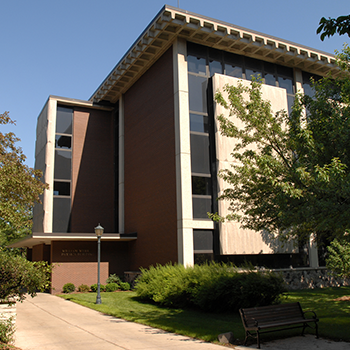
Wehr Physics Building, Room 468
PO Box 1881
Milwaukee, WI 53201-1881
(414) 288-6842 (phone)
Visit the contact page for more information