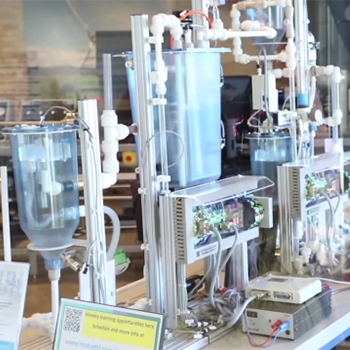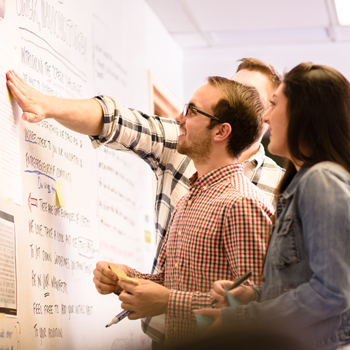
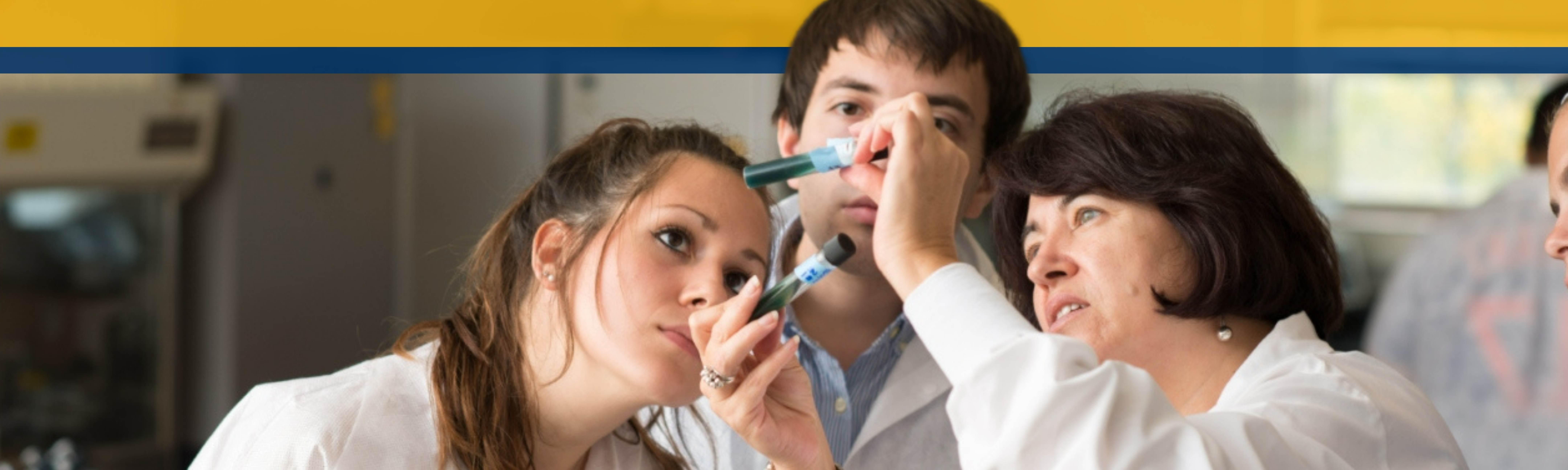
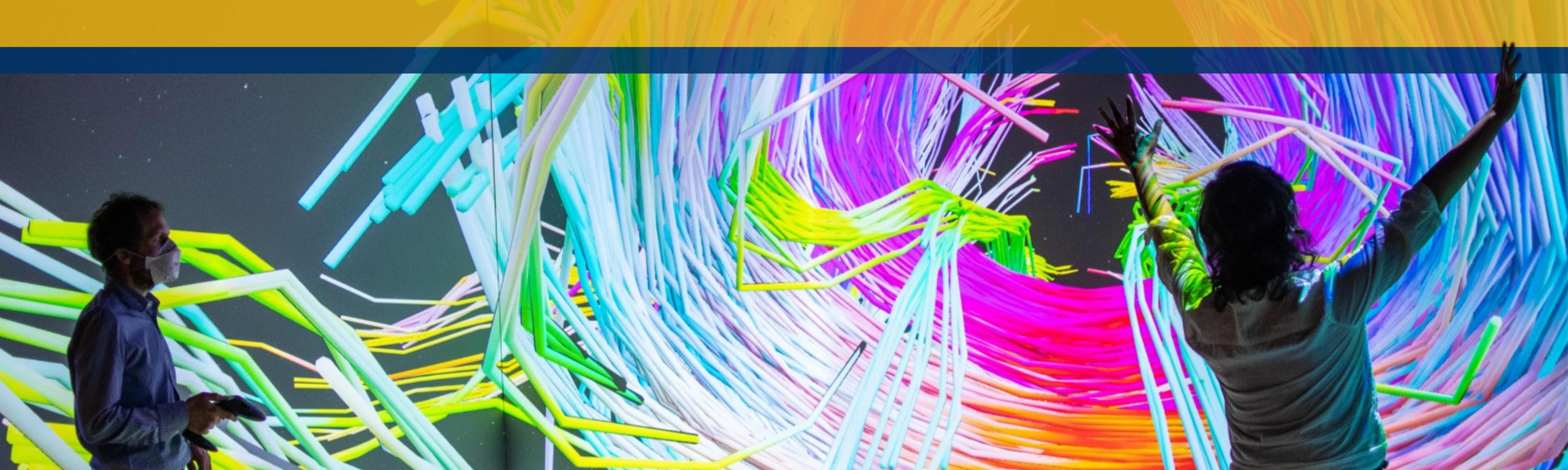
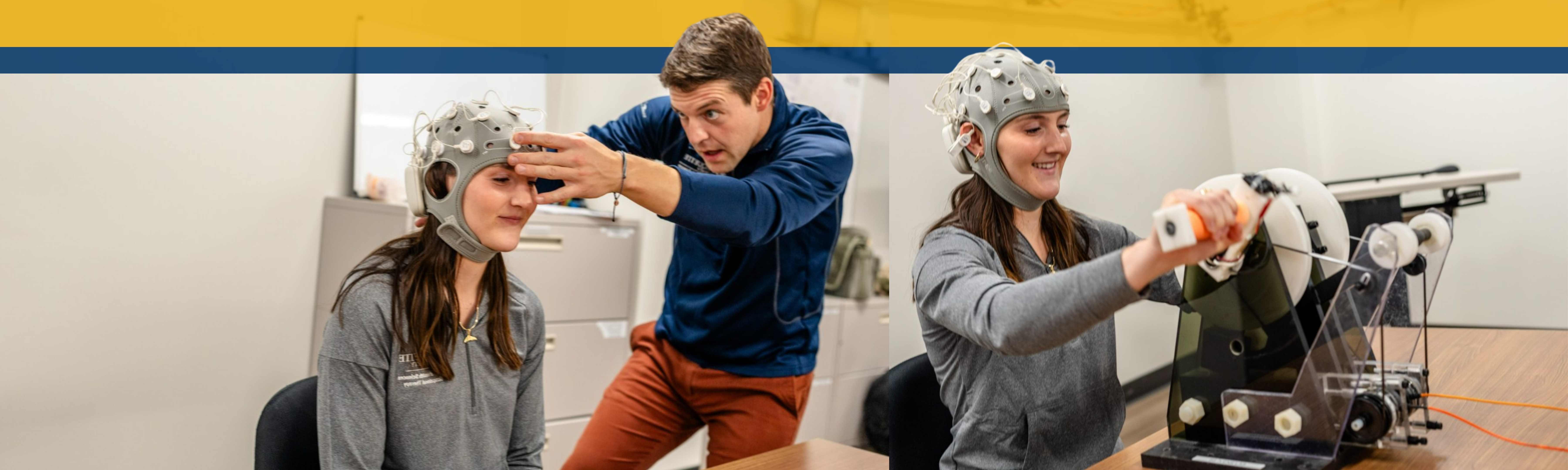
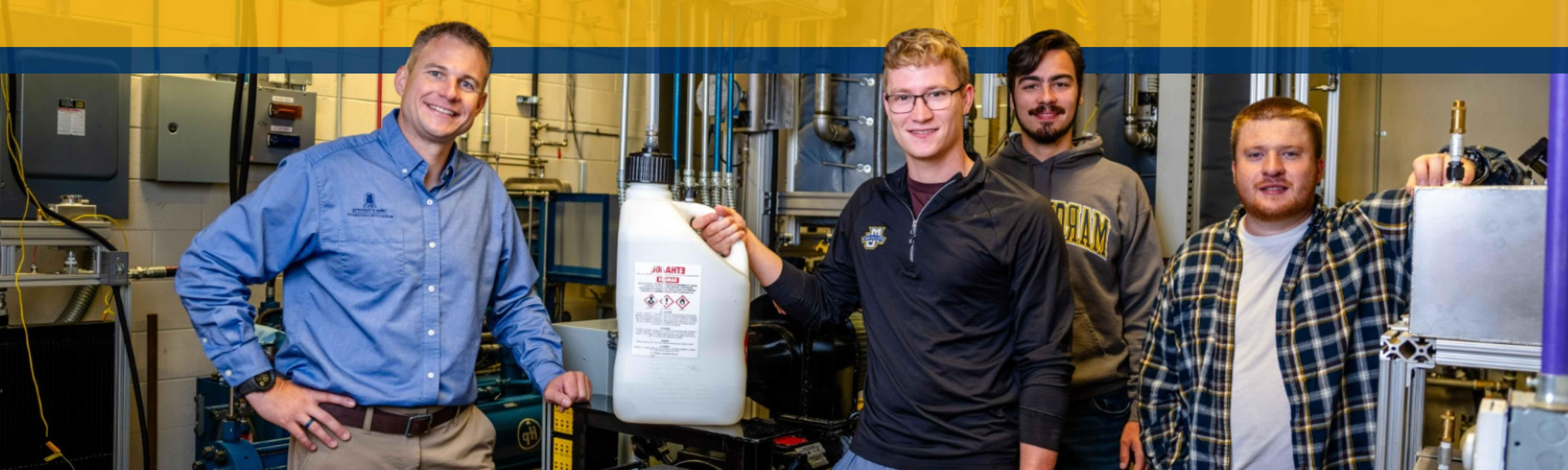
A Marquette education challenges students to explore and innovate. And that means that undergraduates don’t just read about research in the library — they jump into labs and get their hands dirty. Working side by side with faculty mentors, they advance their fields while getting critical experience. Then they take that knowledge into the world, presenting on campus and at professional and academic conferences across the nation.

Brian Kaster

Brian Kaster has conducted so much research over the past four years he can hardly keep it straight.

First there was the radio astronomy study. Next came the high-altitude balloon project, the functional magnetic resonance imaging study, the magnetic nanowire research. In between, there were conferences and poster sessions.

Such is the life of a 22-year-old senior physics major at Marquette. But even at a university ripe with research opportunities for undergraduates, Kaster’s story is a little unusual. He started participating in research as a freshman, working under Christopher Stockdale, Ph.D., an associate professor of physics.

“What we were doing was looking at the supernova, the death of a massive star, and seeing how it progressed through time,” says Kaster, who got a grant from the Wisconsin Space Grant Consortium for the project. “Then we used the information about how the signals change over time to get an idea of what the star looked like and what it was made up of before it exploded.”

Using radio wave information from giant satellite dishes in New Mexico, Kaster converted the raw data into computer images.

He later spent a summer at the Medical College of Wisconsin, where he wrote and ran computer simulations of neurons in the brain, a project he’s continuing. That study’s goal is to glean more useful information from FMRIs. MRIs give two pieces of information: How strong the magnetic field is, and what direction the magnetic field is pointing. Doctors usually only pay attention to the field’s strength, which is much more precise, he says.

“What I’m trying to do is take that other data and get some sort of information out of it,” Kaster says. “Because the majority of people just ignore that part of the data, there’s a lot of room for growth.”


He hopes his research experience gives him a head start in graduate school.

“It’s taught me a lot,” says Kaster, an aspiring professor. “You can get a lot from class, but with research, you learn from experience, you run into roadblocks and learn how to overcome them.”

Life Cycle: From Birth to Death

Improving the Human Condition

Studying Our World

Ethics & social justice

Student Research

Interdisciplinary Research


ADDITIONAL RESOURCES

Quick Facts About Marquette

Identity: Catholic, Jesuit, private
Established: 1881
Location: Milwaukee, Wisconsin
Undergraduate: 8,048
Postgraduate: 3,500
Campus: Urban, 80 acres
Athletics: 14 NCAA Division I teams
(Big East Conference)
Colors: Blue and Gold